
Equipment Loan Requirements for Small Businesses
Getting the right equipment can make or break a small business. From bakery ovens and CNC machines to point-of-sale terminals and delivery vehicles, these assets drive productivity, revenue, and reputation.
This comprehensive guide explains equipment loan requirements for small businesses in the United States, using plain language and practical steps.
You’ll learn what lenders look for, which documents to prepare, how to compare offers, and how to boost approval odds even if you’re new or rebuilding credit. The goal is simple: help you obtain the equipment you need on terms you can afford—without surprises.
What Is an Equipment Loan and How Does It Work?
An equipment loan is business financing used to purchase a specific asset. The asset itself secures the loan, which helps reduce the lender’s risk. Because the equipment is collateral, requirements can be more flexible than unsecured loans or traditional lines of credit.
You get the gear now and repay over a fixed term, usually with monthly payments that combine principal and interest. Terms often match the useful life of the equipment, which helps align cash flow with how the asset generates revenue. For many owners, that alignment is the core benefit.
Unlike a generic working-capital loan, equipment loan requirements for small businesses focus on the asset’s value and resale potential. Lenders want to know what you’re buying, how it helps your operations, and what it’s worth if they ever need to liquidate.
New equipment usually qualifies for higher loan-to-value (LTV) ratios than used equipment. Specialized machines may need appraisals or inspections. Titled vehicles require DMV paperwork and proof of insurance.
Expect a UCC-1 filing, which publicly records the lender’s security interest. This is normal and protects both parties by clarifying who has the first claim.
Equipment Loans vs. Equipment Leases vs. Other Financing
It’s smart to compare an equipment loan to a lease, SBA financing, vendor programs, and lines of credit. With a loan, you own the asset and may deduct interest and depreciation, including potential Section 179 benefits where eligible.
With a lease, you pay to use the equipment and may return or purchase it at term end. Operating leases can improve reported leverage, while finance leases behave similarly to loans.
Vendor financing can be fast, but rates and fees vary widely. A line of credit helps with repairs or short-term needs but isn’t ideal for long-life assets.
When analyzing equipment loan requirements for small businesses, weigh total cost of ownership. Look beyond the monthly payment to include fees, closing costs, insurance, sales tax, and maintenance.
Consider uptime, warranty terms, and the vendor’s service response times. If technology evolves quickly in your industry, a lease with a refresh option might be more strategic than a long loan.
Conversely, if the equipment has a long useful life and strong resale value, ownership via a loan can be more economical. Your accountant can model after-tax costs so you avoid surprises at tax time.
Core Eligibility: What Lenders Evaluate First
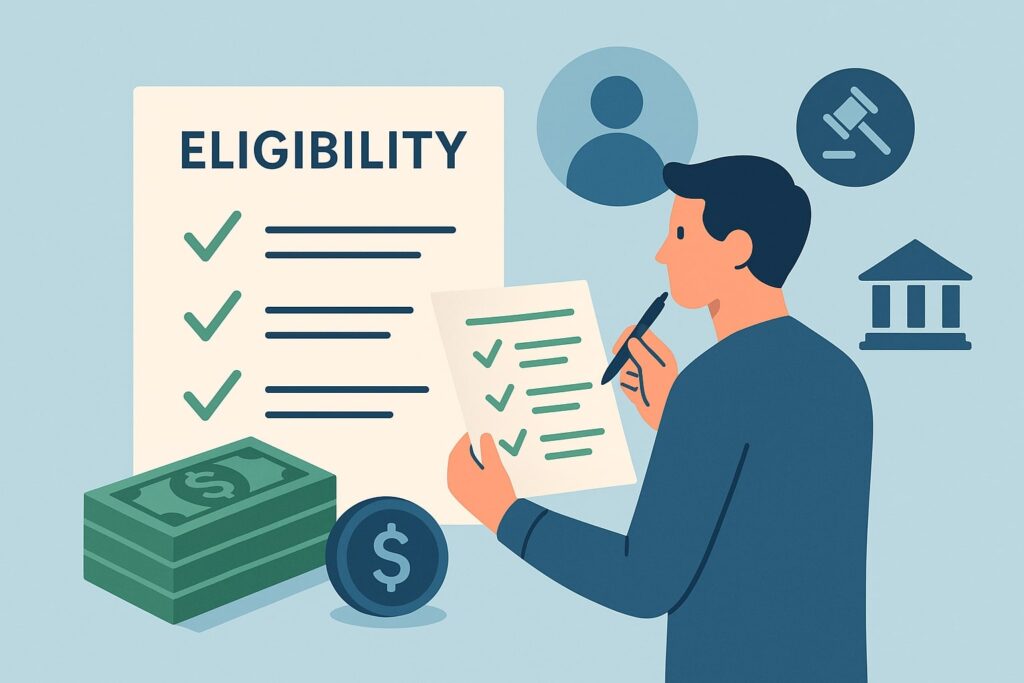
Every lender has its own scorecard, but the core checklist is consistent. They want to see repayment capacity, responsible credit usage, stable operations, and a credible plan for the asset.
The most common equipment loan requirements for small businesses include time in business (often 12–24 months or more), annual revenue thresholds, and evidence of positive cash flow.
Lenders analyze bank statements for inflows, outflows, and seasonality. They also look at existing debt, upcoming balloon payments, and whether your margins can support another obligation.
Personal credit matters because many loans require a personal guarantee from owners with 20%+ equity. Strong personal credit signals low default risk. Business credit (e.g., PAYDEX, Experian Business) also helps.
Lenders check public records for liens, judgments, and tax obligations. They evaluate the equipment’s value, condition, expected life, and whether it’s revenue-generating or productivity-enabling.
Finally, they assess management strength—industry experience, licenses, and a solid operating history. Even with collateral, a lender funds the plan, not just the purchase order, so clarity on use and ROI is key.
Documentation Checklist: What to Gather Before You Apply
Being organized speeds approvals and can improve terms. While lists vary, most equipment loan requirements for small businesses include:
- Business identity: Articles of incorporation/organization, DBA, EIN, operating agreement, and ownership breakdown.
- Financials: Two years of business tax returns (if available), current year-to-date profit & loss and balance sheet, and 3–6 months of business bank statements.
- Personal docs: Government ID, personal tax returns (often 1–2 years), and personal financial statements for guarantors.
- Equipment details: Vendor quote, purchase agreement, serial numbers (or VINs), age, hours/mileage, and warranty information.
- Insurance: Evidence of general liability and property coverage; for vehicles, commercial auto with loss payee and additional insured endorsements.
- Receivables/Payables: Aging reports when relevant, plus major contracts that support cash flow.
- Compliance: Any required licenses, permits, OSHA or DOT compliance where applicable.
Submit clean, readable PDFs, and make sure totals reconcile across statements. Incomplete or inconsistent files are the #1 delay. A one-page memo explaining how the equipment increases revenue or lowers costs can help an underwriter understand the business case quickly.
How Equipment Type and Industry Affect Requirements
Lenders tailor equipment loan requirements for small businesses by asset class and industry risk. Restaurant equipment, construction gear, medical devices, agricultural machinery, titled trucks, and IT hardware all carry different risk profiles.
Highly specialized or single-purpose machines may need appraisals because resale markets are thin. Used equipment often requires condition reports, photos, and verified serial numbers.
For heavy equipment, lenders may ask for inspection certificates and maintenance logs. For vehicles, expect title work, lien notation, and proof of insurance before funding.
Industry dynamics matter, too. Seasonal operators, like landscaping or ice cream shops, may need structured payments that match cash flow. Transportation companies face insurance and Department of Transportation requirements that must be completed before disbursement. Healthcare practices may need credential verification or payer mix details.
Retailers using point-of-sale systems may be asked for merchant statements. If your industry has regulatory requirements or specialized training, include evidence early. The more you reduce unknowns, the more comfortable a lender becomes—and the better your pricing can be.
Down Payments, LTV, Interest Rates, and Fees
A central part of equipment loan requirements for small businesses is the capital structure: down payment, loan-to-value ratio, interest rate, and fees. New equipment can qualify for higher LTVs, sometimes near 100% of the purchase price if you have strong credit and cash flow.
Used assets often top out at 70–90% depending on age and condition. Down payments typically range from 0–20%. A larger down payment reduces monthly obligations, improves approval odds, and can lower rates.
Interest rates reflect risk and market benchmarks. Lenders price to the Prime Rate or a comparable index plus a spread based on credit, time in business, revenue stability, and collateral quality.
Fees can include origination (often 1–3%), documentation, UCC filing, title and registration for vehicles, appraisal, and inspection costs. Request an itemized, “all-in” cost summary. Compare APR or effective annual cost, not just the payment.
Ask about prepayment penalties, step-down schedules, and whether extra principal payments are allowed without fees. Transparency here protects your cash flow later.
SBA Equipment Financing: 7(a) and 504 At a Glance
SBA-backed programs can ease equipment loan requirements for small businesses by providing lenders a government guarantee. With SBA 7(a), proceeds can fund equipment, working capital, and more.
Terms often extend up to 10 years for equipment (longer for real estate). Rates are typically variable over an index with capped spreads, plus SBA guarantee and packaging fees.
SBA underwriting reviews owner credit, business financials, and the project’s viability. Personal guarantees are standard, and collateral is taken when available.
SBA 504 is designed for major fixed assets—real estate and heavy equipment—with long fixed-rate financing on the CDC (Certified Development Company) portion.
A typical 504 structure is 50% bank loan, 40% CDC debenture, and 10% borrower injection (sometimes 15% for startups or specialized assets). Terms on the CDC side are long and fixed, which can be attractive for budgeting.
The trade-off is a more detailed application with environmental, appraisal, and occupancy/use requirements. If you plan a large expansion or long-life equipment purchase, compare 7(a) flexibility to 504’s fixed cost advantage.
Taxes and Accounting: Section 179, Bonus Depreciation, and Interest
Equipment financing touches your tax picture. For many small firms, equipment loan requirements for small businesses also involve planning for deductions. Qualifying purchases may be eligible for Section 179 expensing, which allows immediate deduction up to statutory limits, subject to business income caps.
Bonus depreciation may also apply to new and used qualifying property, letting you accelerate cost recovery. Loan interest is generally deductible as a business expense. Sales tax rules vary by state; factor that into your cash needs or financing amount. For vehicles, personal use must be tracked to substantiate deductions.
Your accountant should project after-tax cost under a loan versus a lease. A finance lease might shift how you recognize expenses. Timing matters: if you place equipment in service late in the year, you still may qualify for deductions, but make sure delivery dates, installation, and acceptance align with your tax strategy.
Keep invoices, financing agreements, and proof that the asset is in service. Clean records make year-end smoother and protect you during audits.
Personal Guarantees, Collateral, and UCC-1 Filings
Most lenders require a personal guarantee, especially when businesses are closely held. That guarantee aligns incentives and reduces default risk. It also means late payments can impact your personal credit and assets if the business cannot pay.
The equipment itself is primary collateral, but lenders frequently file a UCC-1 financing statement covering the asset—or sometimes all business assets. This is normal. The UCC establishes the lender’s lien priority and shows up on business credit searches.
Some owners try to avoid cross-collateralization by negotiating a specific-asset UCC. Whether a lender agrees depends on risk, LTV, and your overall relationship. Ask what collateral is being taken and how it interacts with other loans.
For titled vehicles, the lender’s lien will appear on the title. For heavy equipment, serial numbers are listed in the collateral description. Understanding collateral and guarantee language helps you avoid conflicts when you seek additional financing later.
Underwriting Metrics: DSCR, Cash Flow, and Credit Benchmarks
Underwriters quantify risk using standard metrics. A common equipment loan requirement for small businesses is a Debt Service Coverage Ratio (DSCR) of at least 1.20x, meaning cash flow is 20% higher than total annual debt payments.
Some lenders accept lower DSCRs if collateral is strong, the down payment is larger, or your industry is stable. They also review debt-to-income (DTI) for guarantors, business credit scores, and FICO for personal credit.
Late payments, high utilization, and recent delinquencies are red flags, but strong bank balances and steady revenue can offset them.
Lenders also examine concentration risk—whether your revenue is reliant on a single customer—and trends across several months. A clear upward trajectory helps. If cash flow is lumpy, provide context: seasonality, recent contract wins, or cost-saving measures.
Show how the new equipment boosts efficiency or opens new revenue lines. Provide a simple ROI calculation: cost, monthly savings or added revenue, and payback period. Attach quotes, work orders, or signed contracts that tie directly to the equipment’s use.
Step-By-Step Application Process (From Pre-Qual to Funding)
Start with a pre-qualification to gauge likely amounts, rates, and documents. Share high-level financials and the equipment quote. Next, complete a full application and upload the documentation checklist.
The lender orders any needed appraisal, inspection, or title work. Underwriting reviews financials, verifies bank activity, and assesses the asset. You may receive follow-up questions—answer fast and provide clean files.
Once approved, you get a term sheet outlining rate, term, fees, collateral, and covenants. Review prepayment language and any conditions precedent to funding, like proof of insurance or down payment. If acceptable, sign closing docs.
The lender files the UCC-1, confirms title or serials, and coordinates with the vendor for payment. Funding is typically sent directly to the seller, sometimes after you confirm delivery or installation.
Keep copies of all agreements. Set calendar reminders for payments, insurance renewals, and any covenants, such as providing annual financials.
How to Strengthen Your Application Before You Apply
Preparation reduces risk and can unlock better pricing. Three to six months before you apply, stabilize balances in your operating account, reduce non-essential transfers, and avoid NSF activity. Pay down high-utilization credit lines if possible.
Resolve any small tax liens or filings that could spook underwriting. Build a short memo that explains the business model, how the equipment supports revenue, and key assumptions. Include a simple forecast showing post-purchase cash flow and DSCR.
Collect supporting evidence: signed contracts, backlog reports, maintenance savings estimates, or throughput gains from automation. If you’re replacing a leased unit with owned equipment, show the payment trade-off and net savings.
Shop insurance early and ask your agent for the exact endorsements lenders want: loss payee and additional insured language, plus specific deductibles where required. Confirm your vendor’s lead times and delivery windows so funding conditions align with real-world logistics.
Legal and Compliance Considerations Owners Overlook
Many equipment loan requirements for small businesses overlap with compliance. For vehicles, verify DOT numbers, driver qualification files, and fleet safety programs.
For construction and environmental equipment, check for emissions standards and, if tied to real property, whether an environmental questionnaire or report is needed.
Medical and dental devices may require proof of certifications or licenses. Restaurants may need hood, fire suppression, and health inspections coordinated with delivery and install.
Don’t forget corporate housekeeping. Keep your entity in good standing with your state. File annual reports, maintain a registered agent, and keep minutes or consent resolutions for major purchases.
If your company falls under federal beneficial ownership reporting rules, keep that current. Lenders often ask for certificates of good standing, resolutions authorizing borrowing, and incumbency certificates for signers. Clean compliance records build credibility and speed funding.
Common Pitfalls and How to Avoid Them
The biggest pitfalls with equipment loan requirements for small businesses are avoidable. Many owners rush and submit incomplete documents, which slows everything. Others focus on the lowest payment without considering total cost, prepayment penalties, and fees.
Some skip insurance planning, which delays disbursement. Another pitfall is underestimating installation, training, and downtime; factor those into your cash plan. Finally, owners sometimes accept blanket liens without understanding the impact on future financing.
Avoid these traps by building a simple project file: quotes, timelines, insurance endorsements, UCC scope, and a payment calendar. Ask lenders to clarify any financial covenants and reporting requirements.
Confirm whether the loan allows early payoff without penalty and how extra principal payments are applied. Keep your vendor looped in so the invoice, delivery schedule, and funding conditions match. A 30-minute pre-close checklist can save days of back-and-forth later.
Startups and Young Businesses: Special Considerations
Startups can get approved, but equipment loan requirements for small businesses are stricter when time in business is under two years. Expect higher down payments, stronger personal guarantees, and possibly co-signers.
A robust business plan helps—include market research, pricing, margins, and a 12–24 month cash flow forecast. Show relevant experience: prior roles, certifications, and early customer interest. If pre-revenue, demonstrate contracts, letters of intent, or pilot programs.
Consider SBA 7(a) for flexibility or SBA 504 for large fixed assets if you can meet the documentation bar. Vendor financing can bridge gaps but compare rates carefully. Some lenders offer “app-only” programs for lower amounts, but rates may be higher.
Where possible, secure preorders or service agreements that rely on the equipment. Tie the asset to revenue generation and highlight quick payback. Even a simple sensitivity analysis—base case, conservative case—can reassure an underwriter that you understand risk and have room to maneuver.
Challenged Credit: Options and Trade-Offs
If credit is bruised, you still have paths, though pricing will reflect risk. Collateral strength, higher down payments, and consistent bank cash flow can offset lower scores. Shorter terms may increase payment size but reduce total interest paid.
Transparent communication about any past credit events is crucial. Provide context and recent improvements, such as paid-off collections or on-time housing payments. Some lenders focus on the asset and will lean on its resale value to structure the deal.
Be cautious with daily-debit or merchant cash advance products to fund equipment. They can be fast but expensive and may strain cash flow. If you use them, plan an exit to refinance once business performance improves.
Build trade lines with suppliers and keep them current. That helps rebuild business credit. Over six to twelve months, improved balances and clean bank statements can open the door to better-priced equipment loans.
Banks vs. Credit Unions vs. Independent and Digital Lenders vs. Vendor Financing
Each lender type handles equipment loan requirements for small businesses differently. Banks often offer the best rates if you qualify, but underwriting can be strict and slower. Credit unions may be relationship-friendly, with competitive pricing for local operators.
Independent and digital lenders move fast, offer flexible structures, and have streamlined document lists, but rates can be higher. Vendor financing is convenient and can bundle service packages or deferred payments. The trade-off is less choice on pricing and terms.
Shop multiple options. Ask each lender about approval timelines, inspection needs, and any seasonal payment structures. Confirm whether they fund 100% of soft costs like installation, shipping, and sales tax.
Some lenders include these; others do not. Request a sample amortization schedule, a payoff quote method, and clarity on late fees and grace periods. If speed is critical, choose a lender with dedicated equipment experience in your industry—they’ll anticipate compliance hurdles and cut through the noise.
Post-Funding Obligations: Insurance, Covenants, and Reporting
Closing isn’t the end; it’s the start of responsible ownership. Maintain required insurance with the lender listed as loss payee. Keep the equipment in good working order and follow maintenance schedules.
If your agreement includes financial reporting covenants—such as providing annual tax returns or updated financial statements—calendar those deadlines. If your business changes materially, communicate early. Lenders prefer proactive updates to surprises.
Know your payoff options. Some agreements include prepayment penalties that decline over time. Others allow extra principal payments without fee. If you plan to refinance or trade up equipment, review how the lien will be released and how titles are handled.
Keep serial numbers and service records organized; these help with warranty claims and resale. Good stewardship supports future approvals and helps you secure better terms as your business grows.
Refinancing, Trade-Ins, and Early Payoff Strategies
Markets shift, and so should your financing. You may want to refinance to lower your rate, extend the term for cash flow relief, or consolidate several notes. Lenders will ask for updated financials, payment history, and equipment condition.
If trading up, some vendors take your current unit as a trade-in, which can serve as part of the down payment. Early payoff can save interest, but check whether there’s a prepayment clause. In many cases, a step-down penalty becomes negligible after the first year or two.
When evaluating a refinance, compare remaining interest on your current loan to the total cost of the new one. Include origination and title fees. If the equipment is near the end of life, refinancing may not make sense unless you need short-term relief.
Conversely, if you plan to keep the asset for years and the new rate is materially lower, refinancing can improve DSCR and free cash for growth. Run the math both pre-tax and after-tax to capture the full picture.
Sample Timeline and Budgeting Tips for a Smooth Close
A practical approach helps you meet equipment loan requirements for small businesses without stress.
Week 1: gather documents, get a pre-qualification, and confirm insurance quotes.
Week 2: submit the full application, respond to underwriting questions, and schedule any inspections.
Week 3: review the term sheet, sign closing docs, and coordinate vendor delivery.
Build a small buffer in your cash plan for shipping, installation, and training. If your operations must pause during install, schedule during slow periods.
Budget for soft costs. Installation, rigging, calibration, software licenses, and protective equipment can add 5–15% to the vendor’s base price. Confirm whether your lender will finance those soft costs.
If not, reserve cash so the project doesn’t stall. Ask your vendor about lead times and back-orders. If parts are scarce, plan contingency steps to avoid downtime. A clear, written schedule shared among lenders, vendors, and insurance agents keeps everyone aligned.
Practical Mini-Checklist (Keep This Handy)
- Two years business tax returns (if available), YTD P&L and balance sheet
- Three to six months business bank statements
- Personal tax returns and personal financial statement for guarantors
- Vendor quote with serials or VINs, warranty details, and delivery timeline
- Insurance binder with required endorsements and deductibles
- Entity documents, ownership structure, and state good-standing certificate
- Clear explanation of ROI, payback, and cash-flow impact
- Understanding of UCC scope, collateral, and prepayment terms
Keep this one-pager with your application packet to satisfy equipment loan requirements for small businesses quickly and cleanly.
FAQs
Q1) What credit score do I need for an equipment loan?
Answer: While every lender is different, many approvals start with mid-600s personal credit for standard programs. Strong cash flow, solid bank balances, and a meaningful down payment can offset a lower score. For prime pricing, higher scores help.
Q2) How much down payment is typical?
Answer: Down payments often range from 0–20%. New equipment with strong resale value may qualify for minimal down, while older or specialized assets may require more. Bigger down payments reduce risk and can improve rates.
Q3) How long are equipment loan terms?
Answer: Terms commonly run 3–7 years, matching the asset’s useful life. Heavy equipment and vehicles may see 5–7 years. Technology with faster obsolescence often has shorter terms.
Q4) Will the lender file a UCC-1 lien?
Answer: Yes, most will. The UCC-1 secures the lender’s interest in the equipment. Clarify whether it’s a blanket lien or a specific-asset filing to avoid conflicts with future financing.
Q5) Can I finance used equipment?
Answer: Yes. Requirements usually include condition reports, photos, and verification of serial numbers. Expect lower LTVs and possibly an inspection or appraisal.
Q6) What fees should I expect?
Answer: Common fees include origination, documentation, title and registration (for vehicles), UCC filing, and sometimes appraisal or inspection. Ask for an itemized, all-in cost summary.
Q7) How fast can I fund?
Answer: Simple deals can fund quickly once documents, insurance, and any inspections are complete. Complex assets, startup cases, or SBA loans take longer due to deeper underwriting and third-party reports.
Q8) Is a personal guarantee required?
Answer: Often, yes—especially for closely held companies. The guarantee aligns incentives and helps lenders extend credit on better terms.
Q9) Are interest and depreciation tax-deductible?
Answer: Generally, interest is deductible, and qualifying equipment may be eligible for Section 179 expensing and/or bonus depreciation, subject to IRS rules. Consult your tax advisor for specifics.
Q10) What if my business is new?
Answer: Startups may still qualify with larger down payments, strong personal credit, and a robust business plan showing how the equipment generates revenue. Consider SBA options or vendor programs.
Conclusion
Winning approval starts with clarity. Know your numbers, gather clean documents, and choose the asset that delivers measurable impact. Tie the purchase to revenue, cost savings, or compliance needs.
Understand collateral, UCC filings, and insurance so you’re never surprised. Compare lenders on total cost—not just the monthly payment—and negotiate prepayment terms that match your plans.
When you master equipment loan requirements for small businesses, you speed up underwriting, reduce friction, and secure financing that supports growth. With preparation and the right partners, the equipment you need can be on your floor—and working for you—sooner than you think.