How to Calculate the True Cost of an Equipment Loan?
Businesses commonly use equipment loans as their primary financing method to acquire devices, vehicles, construction equipment, and technological systems. The equipment loan supports business growth by preserving working capital. Borrowers create major financial problems because they do not understand the total cost of the loan during its entire duration. People make this error because they concentrate on either the interest rate or the monthly payment.
This guide presents a complete and straightforward procedure for determining the actual expenses associated with an equipment loan. The document details all essential elements that determine both equipment loan interest rates and complete repayment obligations. The total costs of equipment financing need to be assessed before a lender comparison or a long-term investment decision. The costs will help determine the financing option that will help attain your business goals and match cash flows.
Understanding the Core Structure of an Equipment Loan
The total loan amount, interest rate & loan repayment duration are the 3 main things to define equipment loans. Total loan amount refers to the total cost of buying the equipment minus the initial down payment. The interest rate is applied by the lender when borrowing money from them, and the loan repayment term defines how long the loan will take to be paid back.
However, other than these components, they do not provide a good picture of what the total cost of acquiring the equipment will be. Even if two lenders charge the same annualized interest rate, the total cost for financing the equipment can be very different due to additional fees. For example, if a customer chooses to make low monthly payments by financing their equipment over a longer period of time, the overall financing cost will be compared to someone who chooses to finance for a shorter period.
By developing a deeper understanding of equipment loans and true costs over time on a loan’s principal, business entrepreneurs will be able to form an opinion. This will help to make a decision on whether an equipment financing loan will be able to provide their businesses with sustainable financial benefits or not.
Interest vs Annual Percentage Rate (APR)
Calculating the true cost of an equipment loan is essential to distinguish between the interest rate and the APR. The rate includes the basic cost charged for their financing services on the loaned principal, without any extra fees applied.
The APR states a complete view by combining the business equipment loan interest with its processing charges. An equipment loan with a low displayed interest rate may still result in a higher total cost of equipment financing if fees are substantial.
| Features | Interest Rate | APR |
| What it includes | Only the cost of borrowing the principal | Interest plus most lender fees |
| Fees considered | Not included | Included (origination, processing, etc.) |
| Accuracy for comparison | Limited | High |
| Reflection of true cost | Partial view | Full picture of equipment financing costs |
| Best used for | Estimating base interest | Comparing the total cost of equipment financing |
Some individuals tend to get loans when they do not have a full grasp of how annual interest rates function, which can lead to them paying more. Hence, companies must look at APR along with their loan arrangement and their repayment terms. This method will give them an idea of whether or not they will be able to repay the loan over time.
Fees That Increase the Financing Costs
Lenders impose a variety of charges on their equipment loans, which can make the total reimbursement amount exceed the loan’s interest. Typically, when a borrower compares his loan to other loans available, he does not notice the fees the lender has assessed on the loan. When searching for a business equipment loan, some of the differences between the various lenders and types of loans are that their fees vary widely.
Borrowers often do not know what fees are included in the package for the loan, and what other fees are assessed by the lender. Origination and underwriting fees are the most common fees charged on the loan. Document preparation fees are charged once by the lender preparing the documentation for the loan. Late pay penalties are incurred when a loan is overdue past the specified date of payment. Prepayment penalties are charged when a borrower attempts to pay off a loan before its maturity date.
If the fees included in the loan package are included in the principal amount of the loan, the loanee will not be able to determine the total cost of the loan until they accumulate all of the fees. Therefore, a borrower’s equipment financing total cost should first be assessed based on all fees incurred before combining repayment estimates to determine an accurate equipment financing budget.
Down Payment and Its Impact
The total cost of a loan for equipment will depend on what you owe for an upfront down payment. Usually, businesses will require an honest down payment between ten and thirty percent of the equipment value. So, if you make a larger down payment, it reduces the amount of money you actually have to finance. Thus, directly lowers the interest charges over time on your financing for business equipment loans.
When you make a larger cash payment at the beginning of your transaction, you are going to send your available cash balance. Which means those funds that can be used for operational costs, marketing costs, and hiring new employees will be lessened or completely diminished. Conversely, if you make a smaller cash down payment, you will keep more of your cash and have a better cash flow. However, the higher financing will increase your cost of financing equipment due to an increase in the loan principal and total interest paid for financing.
Loan Term Length and Total Cost of Equipment Financing
How long you extend the loan period impacts the total amount you end up spending to pay back the loan. For example, if you take out a short-term loan, you will have a larger monthly payment but less total interest. Whereas, if you had taken out a longer-term loan, you would end up paying a higher total cost.
Being able to understand the impact of the different terms available for financing your equipment will help you moderate your total expenses and enable you to evaluate your repayment structure in terms of the long-term value of your company. You can conduct this evaluation by using the total interest associated with the various term options available to you.
Insurance, Taxes, and Ownership Costs
Companies will incur increased costs associated with their ownership of equipment due to the fact that most lenders require borrowers to insure their assets. The amount charged for insurance is based on various factors like the type of equipment, the value of the equipment, and how much it is used.
Businesses will also receive costs related to the property taxes and registration fees, as well as additional costs related to complying with state and local laws. The costs to repair and maintain can create additional financial pressure on the industry, as an asset can require a very high level of maintenance.
The financial effect of a piece of equipment financed through a business loan does not end with the payment of loan payments. Rather, they continue to affect the overall cost of all equipment loans due to an increase in the total costs incurred by the borrower. The total cost associated can be determined by the calculation of the actual costs received by an owner.
Depreciation and Equipment Value Over Time
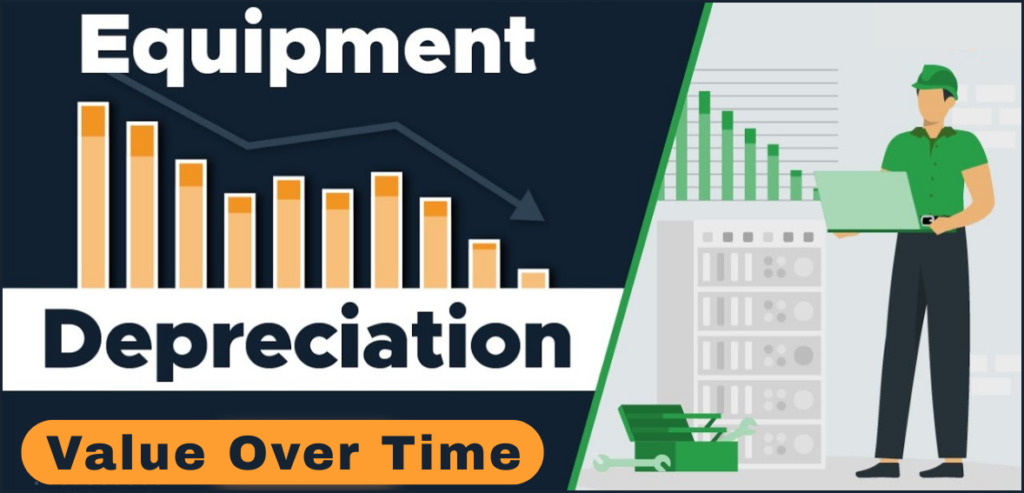
When evaluating an equipment loan, you must assess the amount that the asset has depreciated. Some types of equipment depreciate quickly (e.g., IT equipment and specialized machinery). When the amount that a borrower owes exceeds the value of the equipment, this happens because the future value of the equipment falls more quickly than does the ability of the borrower to repay loans from the lender.
If a debtor needs to upgrade or sell the equipment before its useful life has expired, the depreciation that the borrower will lose on the equipment will increase the total equipment financing costs.
Businesses use depreciation trends to determine the risk associated with long-term investments and the potential return on investment. By using asset value depreciation within funding decisions, businesses have been able to find more eco-friendly and improved lending practices.
Conclusion
An equipment loan will become a beneficial business growth tool after an accurate evaluation of its total expenses. The total expense of equipment financing is based on interest rates, fees, loan term, insurance company requirements, and the depreciation of the asset. Analysis of the monthly payment amount and the advertised interest rate will lead most companies to pay more than they anticipated, and may also cause cash flow issues later.
Organizations will create an accurate comparison of competing offers when performing a total cost assessment of equipment financing. This will help them to match their financing needs with their operational requirements. Through the evaluation of the APR, a borrower is able to understand the full scope of their financial obligation. An analysis of an equipment loan will create smarter investments, protect profits, and minimize the risk to the business. Hence, businesses that are able to see their full financial picture will be able to find solutions for long-term advantages rather than just one-time advantages.
FAQs
What are the actual expenses of an equipment loan?
The actual expenses of an equipment loan encompass all required payments, which include interest charges, lender costs, insurance fees, tax responsibilities, and maintenance expenses. The financial requirement for equipment funding extends to both the required monthly payments and all other expenses.
Why is APR more important than the interest rate for an equipment loan?
APR is more important because it includes both the business equipment loan interest and most lender fees. This provides a clearer picture of equipment financing costs and makes it easier to compare multiple equipment loan offers accurately.
How do loan terms affect equipment financing costs?
Longer loan terms lower monthly payments but increase the total cost of equipment financing due to extended interest accrual. Shorter terms raise monthly payments but reduce overall interest paid on the equipment loan.
Are insurance and maintenance part of an equipment loan?
Insurance and maintenance costs are necessary expenses that equipment owners must pay, but these costs do not count toward their loan payments. The true expenses of an equipment loan require these expenses to be included because they determine the complete financial capacity to pay.
Can depreciation impact the total cost of equipment financing?
Yes, depreciation can reduce resale value faster than loan balances decline. The total equipment financing expenses increase when equipment resale occurs before full equipment loan repayment because this situation generates additional financial obligations.